
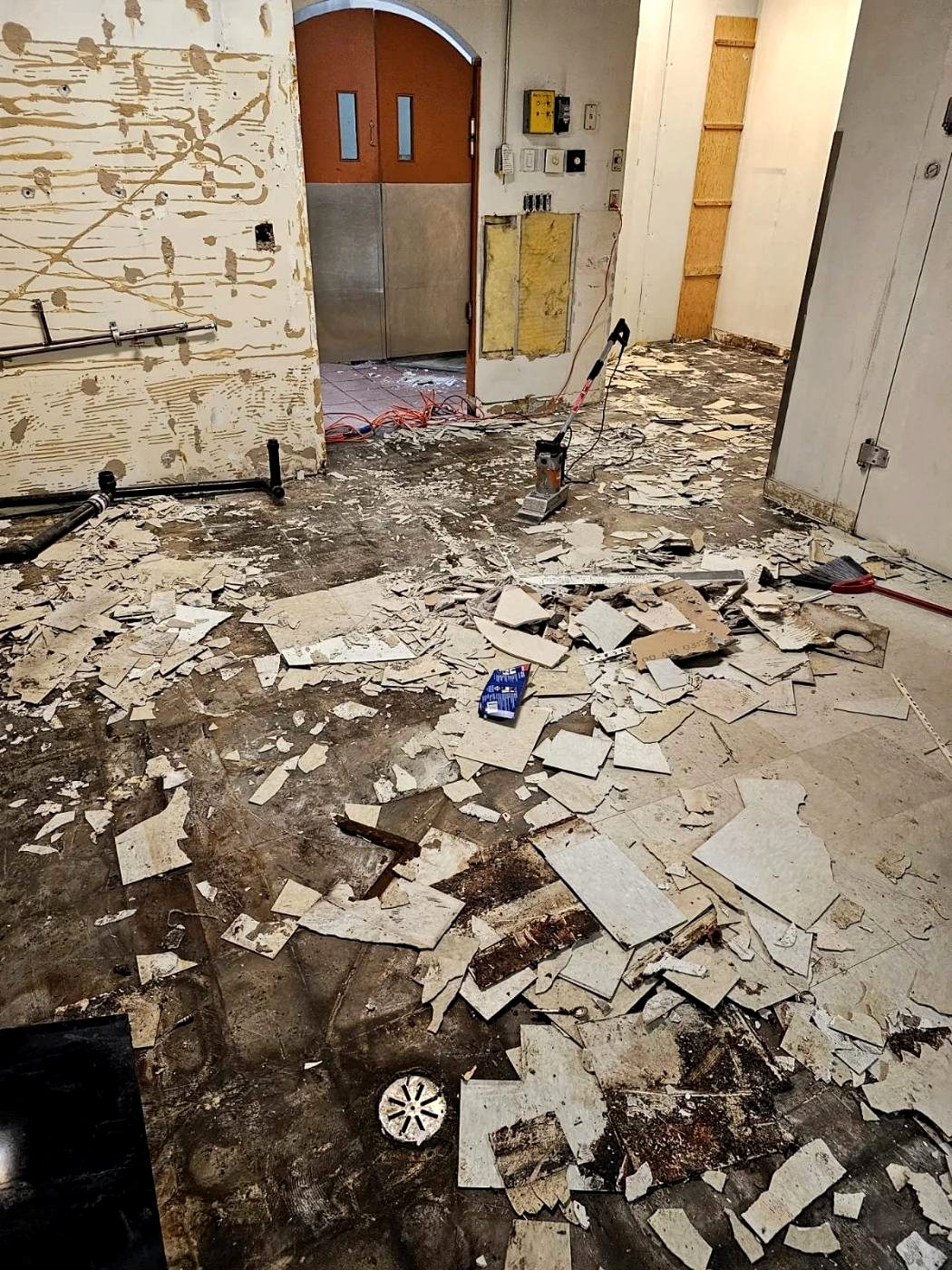
The phrase does no work on its own
Every demolition scope in the country says "broom-clean". It is in the contract precisely because everyone agrees it sounds right, and it causes arguments precisely because nobody defines it. To one contractor it means the floor has been swept. To another it means the site is genuinely finished. The gap between those two is your next trade's first day.
The real test
Forget the phrase and ask one question: can the next crew start their actual work the moment they walk in? If their first hour is spent moving a pile of your material, pulling anchors out of the slab or finding somewhere to put debris you left in a corner, the handover was not clean — regardless of what was swept.
What should be true at handover
- All demolition debris removed from site — not consolidated into a pile in the corner of the unit
- Floors swept, and free of the dust layer that will contaminate a coating or an adhesive
- Fasteners, anchors and screws removed from any surface the next trade has to work on
- Nothing left in the ceiling void, behind remaining walls or above a remaining bulkhead
- Removed services capped or terminated to the agreed demarcation, not left hanging
- Protection removed and the route out reinstated, including any lobby or corridor covering
- Any temporary lighting or power the next trade needs still live, if that was in scope
Why the pile in the corner matters
It is the most common version of a failed handover, and it is always the same story: the last load did not fit on the last trailer, and the crew was already booked elsewhere the next morning. That is a scheduling failure, not a cleaning failure — which is why we would rather size the disposal properly at the estimate and put hauling and dump fees inside the quote than discover it on the final day.
Write it into the scope
Two lines is enough: a definition of the clean-down standard, and who signs it off. We do not leave a job until the client has walked it with us — if something is not right, it gets fixed before the job is closed rather than negotiated afterwards.