
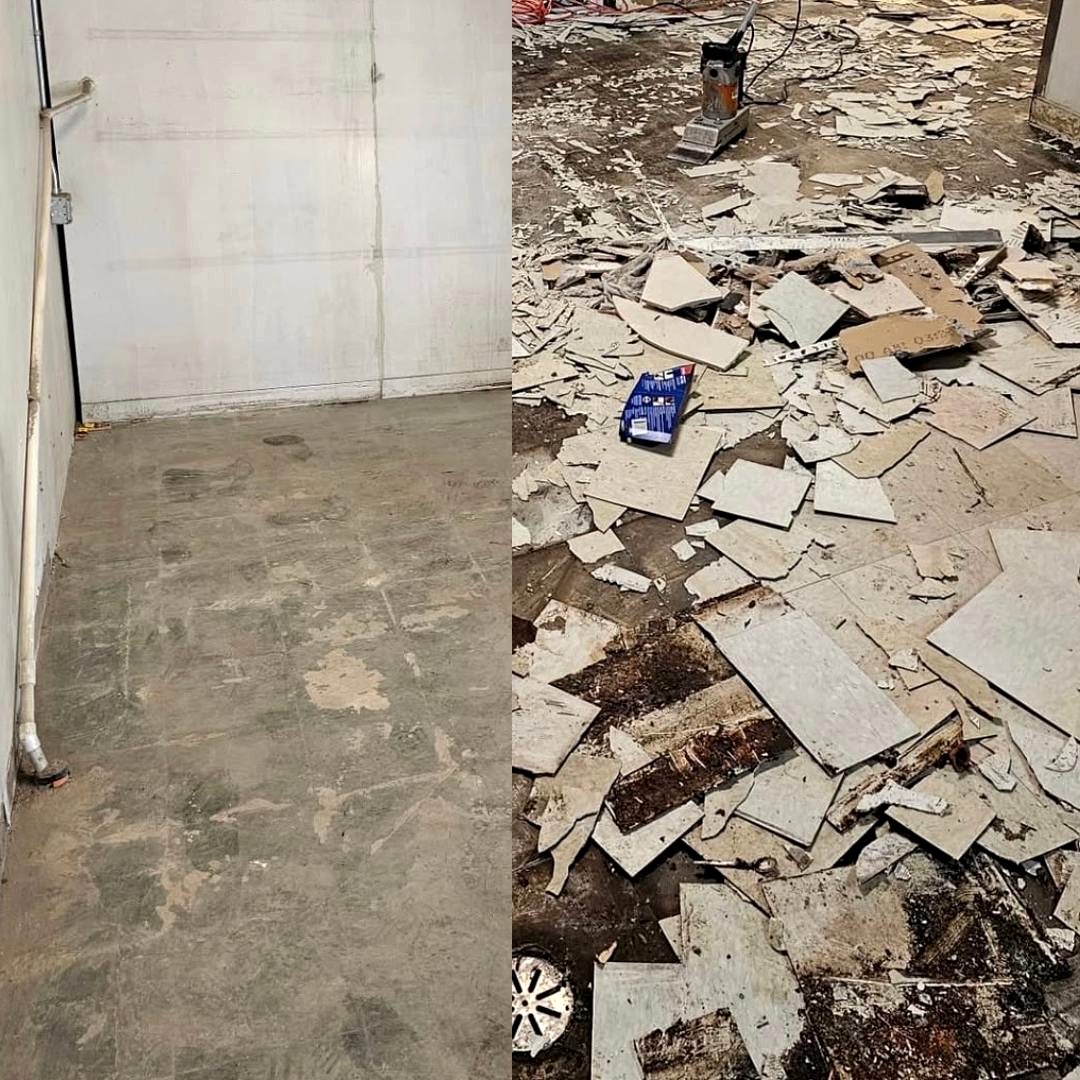
Disposal is the job
Taking a building apart is half of a demolition. Getting the material out, sorted, hauled and tipped is the other half, and it is usually where the cost and the schedule live. A crew that can strip a floor in three days and then spends two more days getting the debris down one service elevator has a five-day job.
Sorting on site
Where space allows we separate streams as the material comes out rather than after: metal (studs, ducting, conduit, fixtures) to scrap; clean concrete and masonry to a facility that crushes it; clean wood; drywall; and a mixed bin for what will not separate economically. Sorting costs crew time and bin positions, so on a tight urban site with one bin location it is more limited than on an open site clearance. We quote what the site actually allows.
Where it goes
- Construction and demolition recycling. Edmonton has a dedicated C&D recycling facility at the City's Waste Management Centre, and private transfer stations around the region accept sorted and mixed loads. What each facility takes, and at what rate, changes — we confirm it when we price the job.
- Metal. Scrap dealers take structural steel, studs, ductwork, wiring and fixtures. It is the one stream that is genuinely worth separating on every job.
- Concrete and masonry. Heavy, and expensive to move. Clean loads go to crushing facilities; contaminated loads (coatings, embedded material) may not.
- Regulated material. Asbestos-containing waste is handled by the abatement contractor under its own rules. Fluorescent lamps, some ballasts, refrigerants in mechanical equipment, and certain coatings and chemicals are separated and handled per the regulations that apply to each. None of it goes in a mixed bin.
Weight beats volume
Tipping is charged largely by weight. A bin of drywall and a bin of broken concrete are the same size and nothing like the same cost to dispose of. This is why an honest estimate looks hard at what the building is made of, not just how big it is, and why a thick-set tile bed or a block wall shows up in the price even when the square footage is small.
Why we put it in the number
Some contractors quote the labour and invoice the disposal afterwards, at cost plus. It makes the quote look smaller and the job cost more, and it moves the risk of a heavy building onto you. We build hauling and dump fees into the quote, which means we have to look at the material properly on the walk instead of guessing. One firm number, disposal inside it, no separate invoice landing after the job.
What you can ask for
- Where the material is going, by stream.
- Whether a specific facility, a diversion target or a documentation requirement applies to the project — some owners and some certifications require it, and it changes how the job is run.
- Confirmation that regulated material is being handled separately and by whom.
General guidance only. Facility acceptance rules, rates and the regulations for specific materials change, and we confirm the current arrangements when we price the job.